Releasing Tension Held in the Tissues
Our bodies carry the imprint of our lives. Physical injuries, repetitive strain, postural habits, and periods of emotional stress can all contribute to patterns of tension within muscles, fascia, and the nervous system. Over time these patterns may present as pain, restriction, fatigue, or a general sense of holding or discomfort.
Craniosacral Therapy (CST) uses gentle, precise touch to listen to these areas of restriction and support the body’s natural capacity to release them. Rather than forcing change, the approach works with the tissues and nervous system, encouraging a shift from protective tension into a more balanced, restorative state.
Research into CST for chronic pain conditions has shown improvements in pain intensity, physical function, and overall quality of life. These changes are thought to be linked to reduced muscle guarding, improved autonomic nervous system regulation, and the relaxation response.
Many people also notice that when physical tension softens, there can be a corresponding emotional release. This does not mean the therapy is psychological in nature, but that the body and mind are closely connected—when the nervous system feels safe, stored stress patterns may gently unwind. Clients often report feeling lighter, more mobile, and more at ease both physically and emotionally.
By supporting the release of long-held tension, Craniosacral Therapy can help restore a sense of comfort, fluidity, and natural movement throughout the body.
This article uses material from Haller, H. et al. (2019). Craniosacral therapy for chronic pain: a systematic review and meta-analysis. BMC Musculoskeletal Disorders.
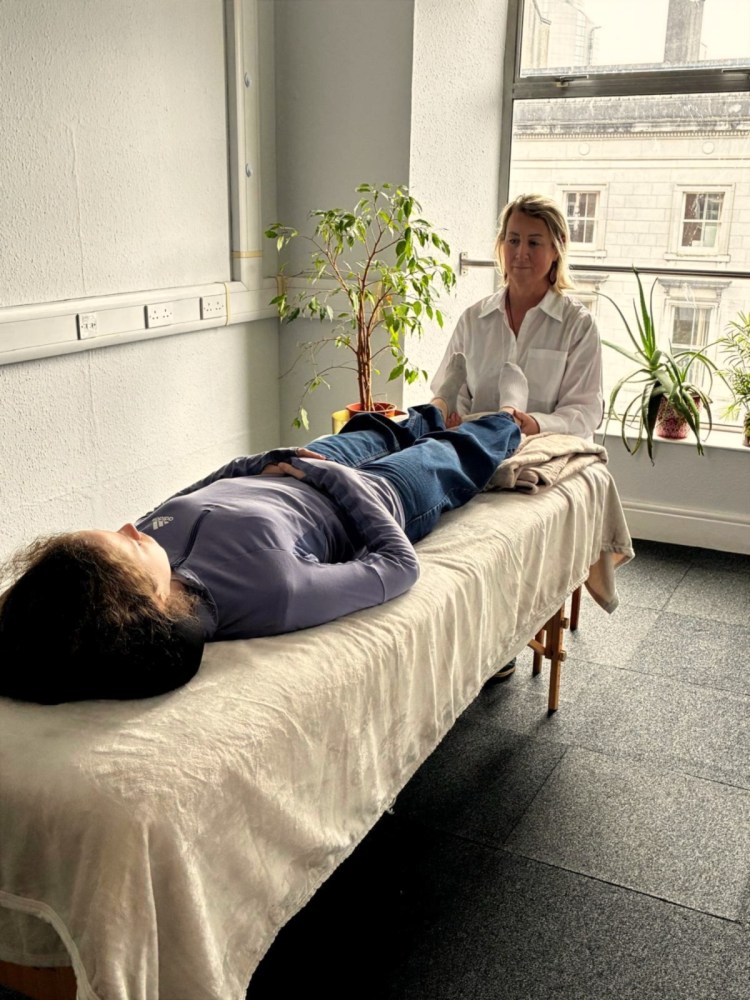
 Craniosacral Therapy with Julie