How Craniosacral Therapy CST Supports Relaxation

In a world where many of us live in a near-constant state of alert, true relaxation can feel rare.

We try vacations, meditation apps, long baths, yet the nervous system often keeps humming in the background. Stress, tight shoulders and busy thoughts at bedtime all become normal. This is one reason people turn to craniosacral therapy (CST). It invites your body to slow down, reset, and remember how to rest.

Known for its light touch and slow pace, CST is widely described as a gentle, non-invasive way to help the body unwind.

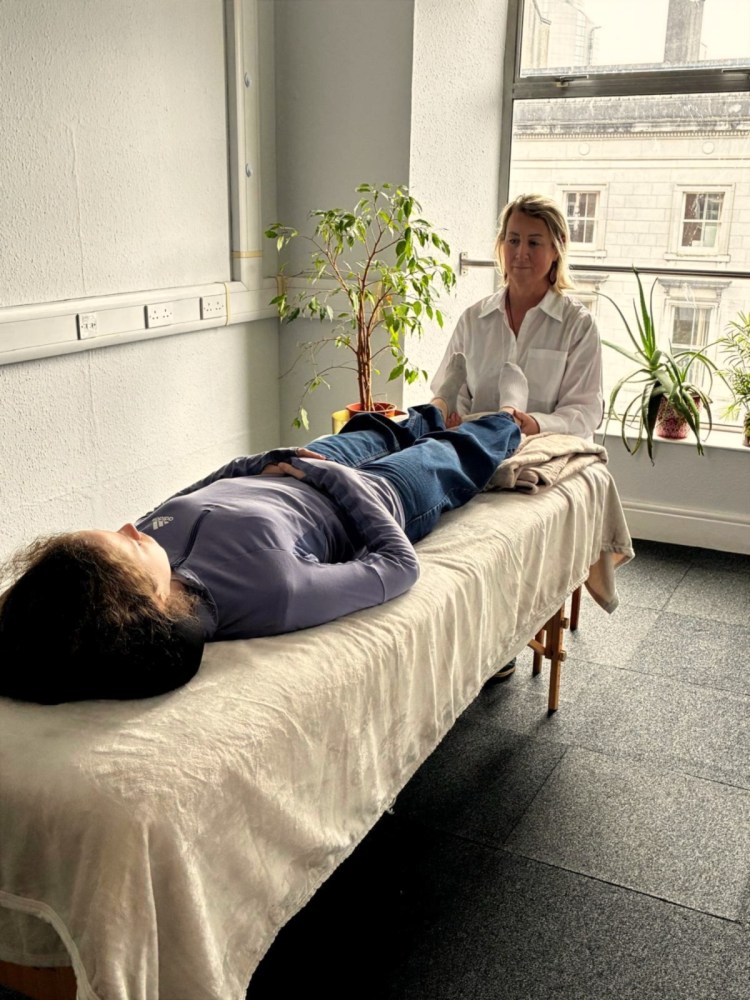
A typical CST session happens in a calm, quiet environment. The practitioner uses subtle hand placements while you lie fully clothed on a table. The stillness alone can be powerful. Sessions are gentle and unhurried while light, precise touch helps your system settle. There is nothing you need to do. No stretching. No effort.

Because the work is so gentle, attention often turns inward. Without intense pressure or constant movement, there’s room to notice sensations and simply be.

It’s common for people to discover tightness in places they hadn’t recognized before, the jaw, the base of the skull, the diaphragm, the hips. As those areas soften, there can be a surprising emotional lightness too.

It’s as if the volume of the nervous system has been gently turned down.

You are not a problem to solve. You are a person who may simply need time, safety, and skilled support to allow your system to rebalance.

The quiet presence, respectful touch, and peaceful environment are often as healing as the techniques themselves.


This article uses material from Haller et al. BMC Musculoskeletal Disorders           (2020) 21:1 https://doi.org/10.1186/s12891-019-3017-y
Entering Our Senior Years CST

A Time to Care for Ourselves

As we settle into our senior years, many of us begin to slow down. A
lifetime of caring for others, working hard, and staying practical can make it difficult to shift into a mindset, where our own wellbeing becomes a
priority.


For some, the idea of taking time purely for themselves, can even feel unfamiliar or undeserved.
But this stage of life can also be a beautiful opportunity: a chance to
explore new ways of, nourishing the body and mind—especially
approaches that are gentle, restorative, and supportive rather than
demanding.


Craniosacral Therapy offers just that.
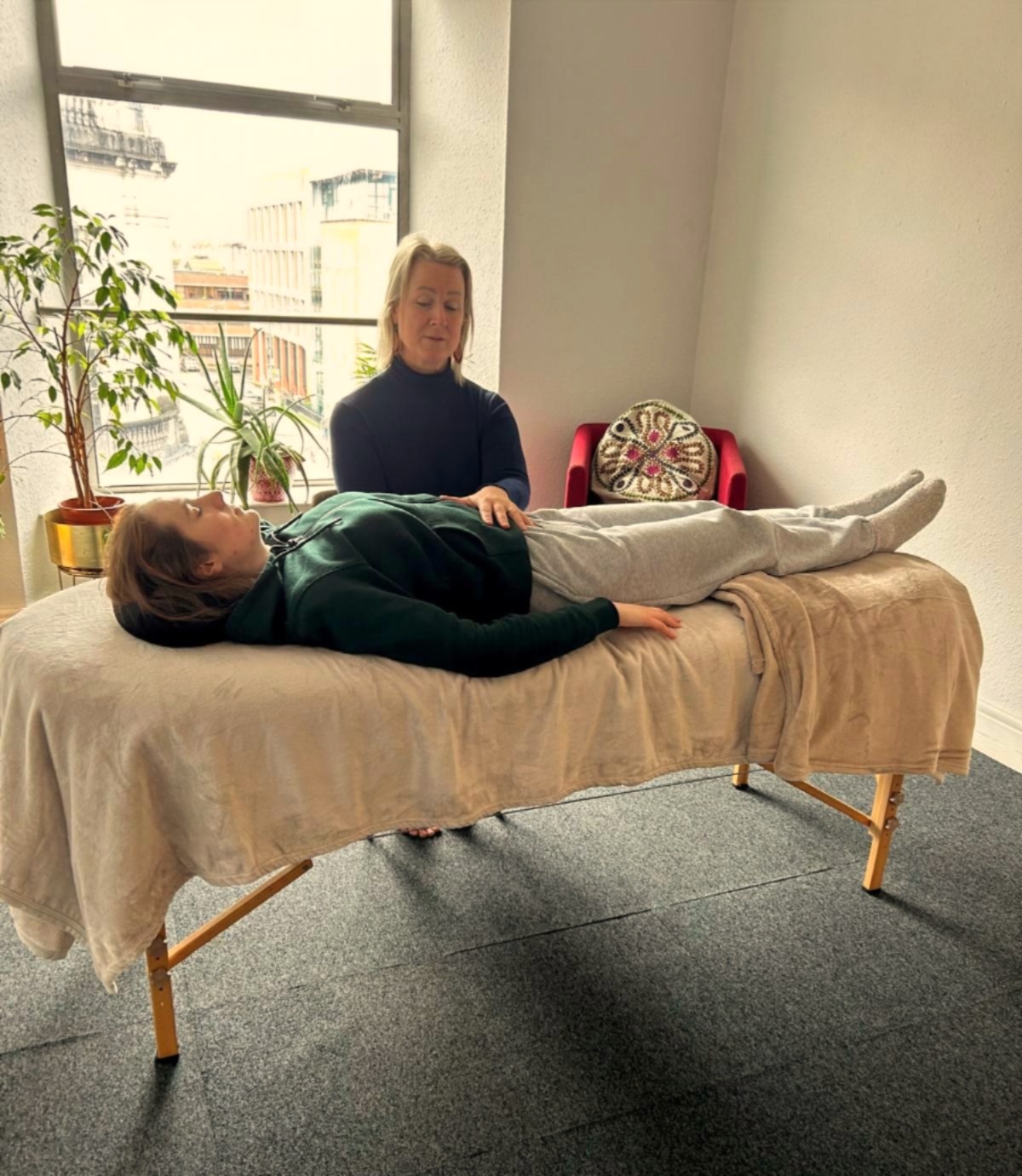
Because CST uses light, non-invasive touch, many people find it
particularly appealing as they get older. Sessions are typically deeply
relaxing, and clients often report improvements in:

  • Sleep quality
  • Energy levels
  • General feelings of wellbeing
  • A sense of lightness or ease in the body
  • Renewed motivation—what some describe as “putting the spring back in your step”

Rather than pushing the body, CST aims to support its natural rhythms and capacity for self-regulation. People frequently leave sessions feeling calmer, clearer, and more comfortable in themselves—nourished both physically and mentally.

Caring for ourselves later in life isn’t about indulgence. It’s about choosing practices that help us feel more at home in our bodies and more present in our days.

If earlier years were about giving to others, perhaps this time is about gently giving something back to yourself.

Is Cranial Sacral therapy right for you?| CST Resource https://cranialsacraltherapy.org/is-cranial-sacral-therapy-right-for-you

 accessed on 12/2/26

Caring for Yourself is part of Caring for Your Family CST


Craniosacral Therapy is widely known for its gentle approach with babies and children—many parents seek it out for unsettled infants, sleep difficulties, sensory overload, or after birth experiences. Because it is so light and non-invasive, CST is often seen as especially suitable for young nervous systems that are still developing and adapting to the world.

Yet in the middle of caring for their children, running households, and juggling endless responsibilities, parents themselves are often the last to be looked after. There’s a well-known safety instruction on airplanes: put on your own oxygen mask before helping others. It may sound counter-intuitive, but the logic is simple—if you run out of air, you can’t support anyone else.

The same idea applies to wellbeing.

When parents are exhausted, stressed, or constantly operating in survival mode, the whole family feels it—even if no one can quite put it into words. Children, especially, are highly attuned to the emotional states of the adults around them. They “read” tone of voice, facial expressions, breathing patterns, and body language long before they can explain what they’re sensing. In many ways, families quietly co-regulate with one another: nervous systems responding to nervous systems.

When a parent takes time to receive care—whether through Craniosacral Therapy or another restorative practice—it can create a ripple effect through the household. The pace slows. Reactions soften. There is more space between trigger and response. Even without conscious effort, this calmer state can influence the family environment. Children may become less reactive. Bedtimes can feel easier. Conversations feel steadier. The home atmosphere shifts from choppy to more fluid.

This doesn’t happen because parents suddenly become perfect or stress disappears overnight. It happens because when one nervous system finds greater balance, the others around it often begin to mirror that steadiness.

By tending to your own wellbeing, you’re not stepping away from your family. You may actually be giving them one of the most valuable things you can offer: a calmer presence to meet them with each day.

This article uses material from Haller H, Dobos G, Cramer H. The use and benefits of Craniosacral Therapy in primary health care: A prospective cohort study. Complement Ther Med. 2021;58:102702. doi:10.1016/j.ctim. 2021.102702

Physically Supporting the Body CST

Releasing Tension Held in the Tissues

Our bodies carry the imprint of our lives. Physical injuries, repetitive strain, postural habits, and periods of emotional stress can all contribute to patterns of tension within muscles, fascia, and the nervous system. Over time these patterns may present as pain, restriction, fatigue, or a general sense of holding or discomfort.


Craniosacral Therapy (CST) uses gentle, precise touch to listen to these areas of restriction and support the body’s natural capacity to release them. Rather than forcing change, the approach works with the tissues and nervous system, encouraging a shift from protective tension into a more balanced, restorative state.


Research into CST for chronic pain conditions has shown improvements in pain intensity, physical function, and overall quality of life. These changes are thought to be linked to reduced muscle guarding, improved autonomic nervous system regulation, and the relaxation response.


Many people also notice that when physical tension softens, there can be a corresponding emotional release. This does not mean the therapy is psychological in nature, but that the body and mind are closely connected—when the nervous system feels safe, stored stress patterns may gently unwind. Clients often report feeling lighter, more mobile, and more at ease both physically and emotionally.


By supporting the release of long-held tension, Craniosacral Therapy can help restore a sense of comfort, fluidity, and natural movement throughout the body.


This article uses material from Haller, H. et al. (2019). Craniosacral therapy for chronic pain: a systematic review and meta-analysis. BMC Musculoskeletal Disorders.